
8 Early Warning Signs of Mental Health Disorders in the Elderly | Safe and Sound
Mental health disorders in older adults are a significant but often overlooked issue, as many believe it's a natural part of the aging process. However, these psychological and emotional changes can be early warning signs of serious illnesses. According to mental health professionals, early recognition and intervention can improve the quality of life for older adults, prevent nervous tension, and avert more severe complications. In this article, SnS will provide you with 8 early warning signs of mental health disorders in older adults that you should pay attention to.
Dang Minh Nhat | Psychologist - Safe and Sound Mental Health Care Application
Institute of Applied Medical Technology
1. Changes in sleep patterns
Sleep is a crucial factor affecting both mental and physical health. In older adults, sleep can be disrupted, causing nervous tension due to various reasons. However, sudden and prolonged changes in sleep patterns, such as insomnia, waking up too early, or sleeping too much, could be signs of a psychological disorder. Psychologists have indicated that approximately 50% of older adults experience sleep problems, and a significant portion of these are related to disorders such as depression or anxiety.
2. Changes in eating behavior
According to psychological counselors, changes in appetite or eating habits, such as overeating or undereating, can be a sign of a psychological disorder. Older adults may begin to eat less due to feelings of stress, sadness, loneliness, or a loss of interest in meals, which can lead to malnutrition and other serious health problems.

Image 1: Changes in eating behavior
3. Changes in memory and concentration
Memory and concentration decline are a natural part of the aging process. However, when older adults experience significant difficulty remembering new information, forgetting recent events, or struggling to complete simple daily tasks that cause nervous tension, this could be a sign of serious psychological disorders such as Alzheimer's disease, dementia, or anxiety disorders. Mental health professionals also note that older adults with symptoms of depression are at a higher risk of developing cognitive disorders.
4. Changes in social communication
Older adults tend to gradually reduce their social activity due to health limitations or the loss of friends and relatives. However, according to mental health professionals, if they begin to completely avoid social activities, no longer wanting to talk or communicate with others, this could be a sign of a mental disorder. Social isolation can lead to a decline in mental and physical health, causing nervous tension.

Image 2: Beginning to avoid social activities can be a sign of a mental disorder.
6. Changes in daily routines
If older adults suddenly experience difficulty completing daily activities, such as bathing, dressing, or preparing meals, this could be a sign of a mental disorder. A decline in self-care abilities can reflect a decline in mental and physical health that causes nervous tension, and according to mental health professionals, this is one of the warning signs of serious mental disorders in older adults.
7. A change in perspective on life.
Older adults often have profound thoughts about life and death. However, if they begin to experience nervous tension due to negative thoughts, such as feelings of hopelessness, loss of meaning in life, or even suicidal thoughts, this is a clear sign of a serious mental disorder. Mental health professionals say that suicide rates among older adults are higher than in any other age group, and depression is a major risk factor.
8. Changes in lifestyle
Sudden changes in lifestyle, such as alterations in personal habits, a loss of self-care, or even neglect of financial management, can be signs of mental health issues. These changes are often associated with cognitive decline and psychological disorders, and according to mental health professionals, they are among the signs that should be closely monitored in older adults.

With the collaboration of psychiatrists, psychologists , and the application of technology in mental health care, Safe and Sound counseling/consultation service proudly pioneers in supporting you with "Early self-detection - Immediate emotional first aid - Long-term support."
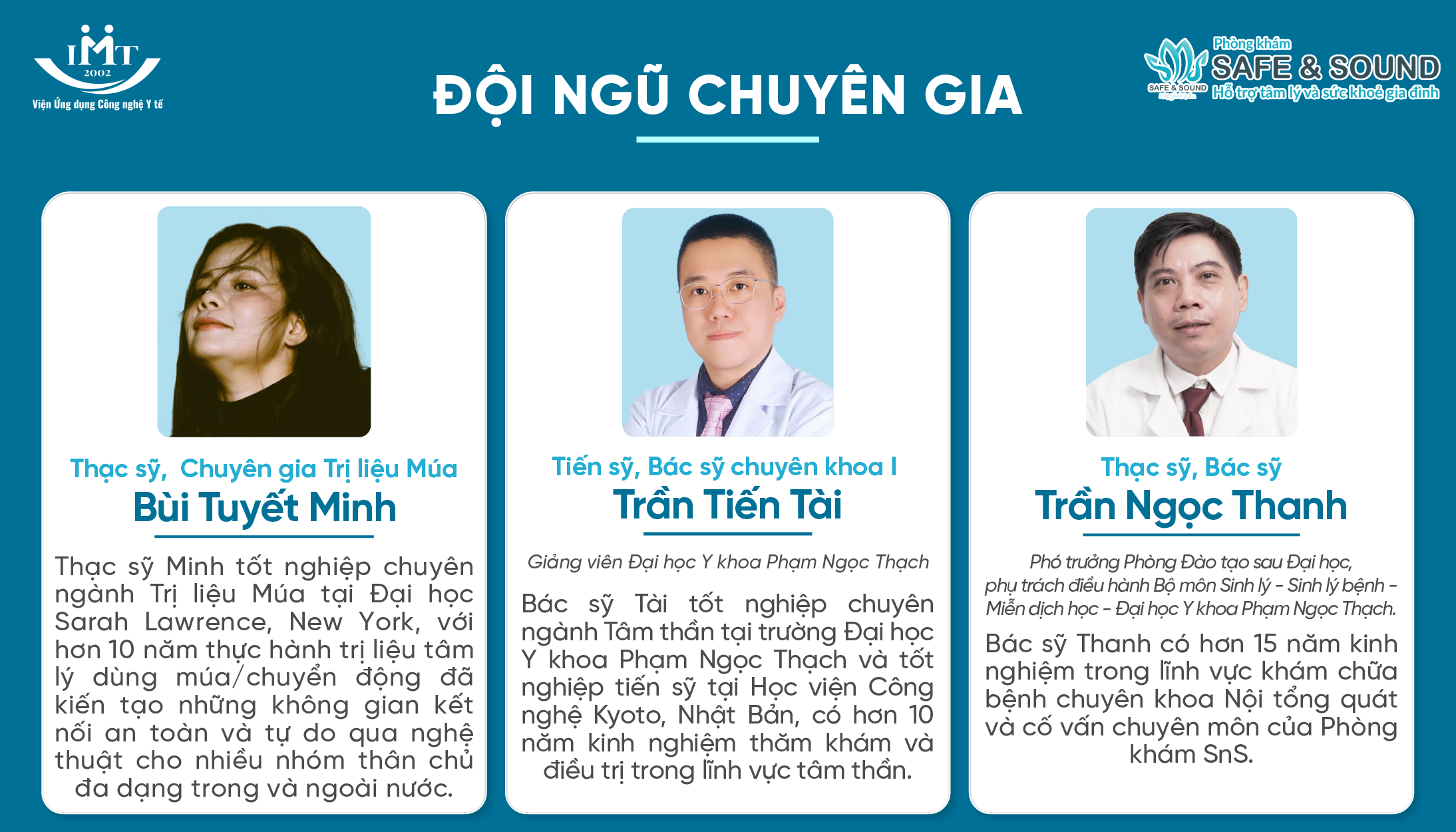
If you suspect you have a mental health problem, or would like more information about our counseling services, please contact our HOTLINE at 0964 778 911 (Phone/Zalo, 24/7) for prompt assistance and answers!
HOW TO SCHEDULE AN APPOINTMENT for online or in-person consultation with a specialist.
- On the SnS Clinic - IMT Institute Fanpage
- Alternatively, download and schedule a consultation on the Safe and Sound app to manage and track your appointments anytime, anywhere.
Safe and Sound - part of the Institute of Applied Medical Technology (IMT)
See more:
